

Fragment "Judith mit dem Haupt des Holofernes" um 1530, Malerei auf Holz 89,5 x 61,9 cm Metropolitan Museum of Art, Rogers Fund, 1911
Lucas Cranach the Elder (1472–1553) is considered one of the most important representatives of the German Renaissance. His work influenced artists for centuries. As one of the highlights of the anniversary year of the Reformation, the Museum Kunstpalast focuses on the renowned Wittenberg painter—who was a close friend of Martin Luther—in all his breadth and modernity.
More than 200 works—among them pieces from the Metropolitan Museum of Art in New York, the National Gallery in London, and the Nationalmuseum Stockholm—have been brought together in Düsseldorf alongside works from the museum’s own collection. Visitors can expect outstanding loans such as “Venus and Cupid” from the Hermitage Museum in St. Petersburg, as well as the impressive reunion of the surviving parts of the so-called Prague Altarpiece.
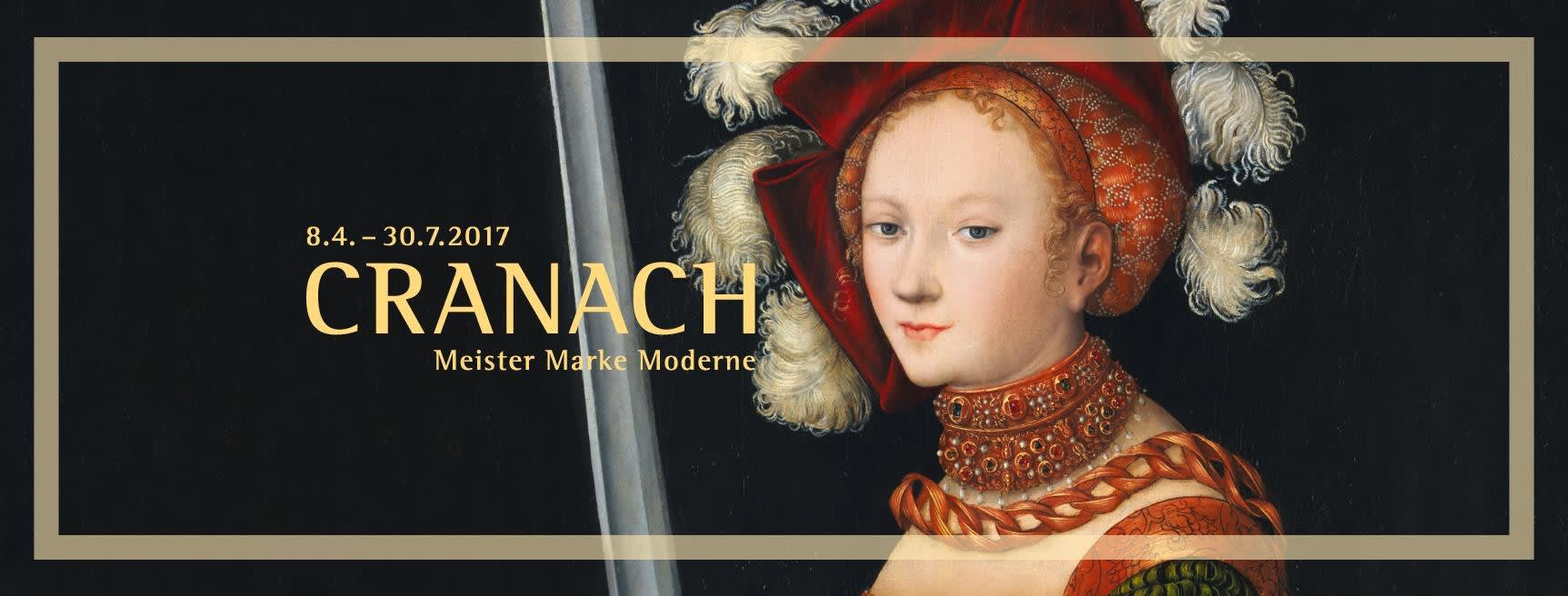
Fragment: Lucas Cranach the Elder, “Judith with the Head of Holofernes”, c. 1530
Cranach’s pivotal role in the spread of the Reformation and his skillful work in the service of his princely patrons can be documented through significant panel paintings, drawings, and prints. In comparison with works by Albrecht Dürer, Hans Holbein the Younger, and Jacopo de' Barbari, the exhibition not only examines Cranach’s position within the network of artists of his time. Works by Pablo Picasso, Alberto Giacometti, Andy Warhol, and Yasumasa Morimura also testify to the enduring inspiration of Cranach’s art to this day.
The latest art-technological research and archival studies offer fascinating insights into the daily practice of the most productive German painter of the Renaissance. The exhibition showcases the immense range of innovative pictorial solutions and entirely new subject matters that Cranach developed within the tension of differing religious beliefs—ideas that spread across the European continent in a remarkably short time.
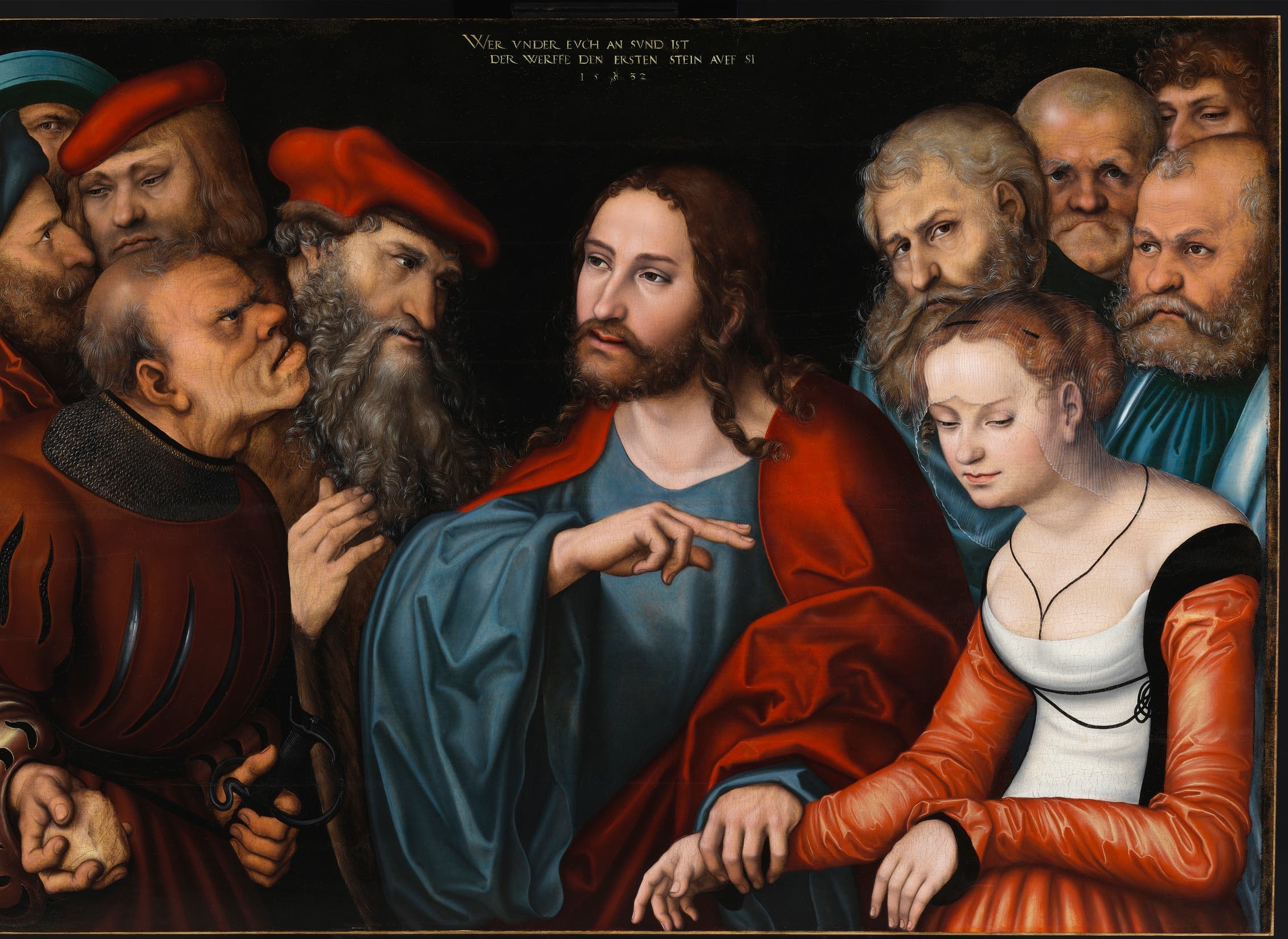
Lucas Cranach the Elder, “Christ and the Adulteress”, 1532
The exhibition not only invites visitors to experience a magnificent display of paintings, but also to embark on a journey back in time into the flourishing workshop of Lucas Cranach the Elder. It offers fascinating insights into the artistic processes behind the creation of the works: thanks to state-of-the-art technology, underdrawings hidden beneath the paint layers are made visible to visitors. New research findings also provide information about the richness of the materials used and the artist’s working methods.
The exhibition is curated by scholars from the Cranach Digital Archive—Daniel Görres and Gunnar Heydenreich of Cologne University of Applied Sciences—together with Beat Wismer, then Director General of the Museum Kunstpalast.
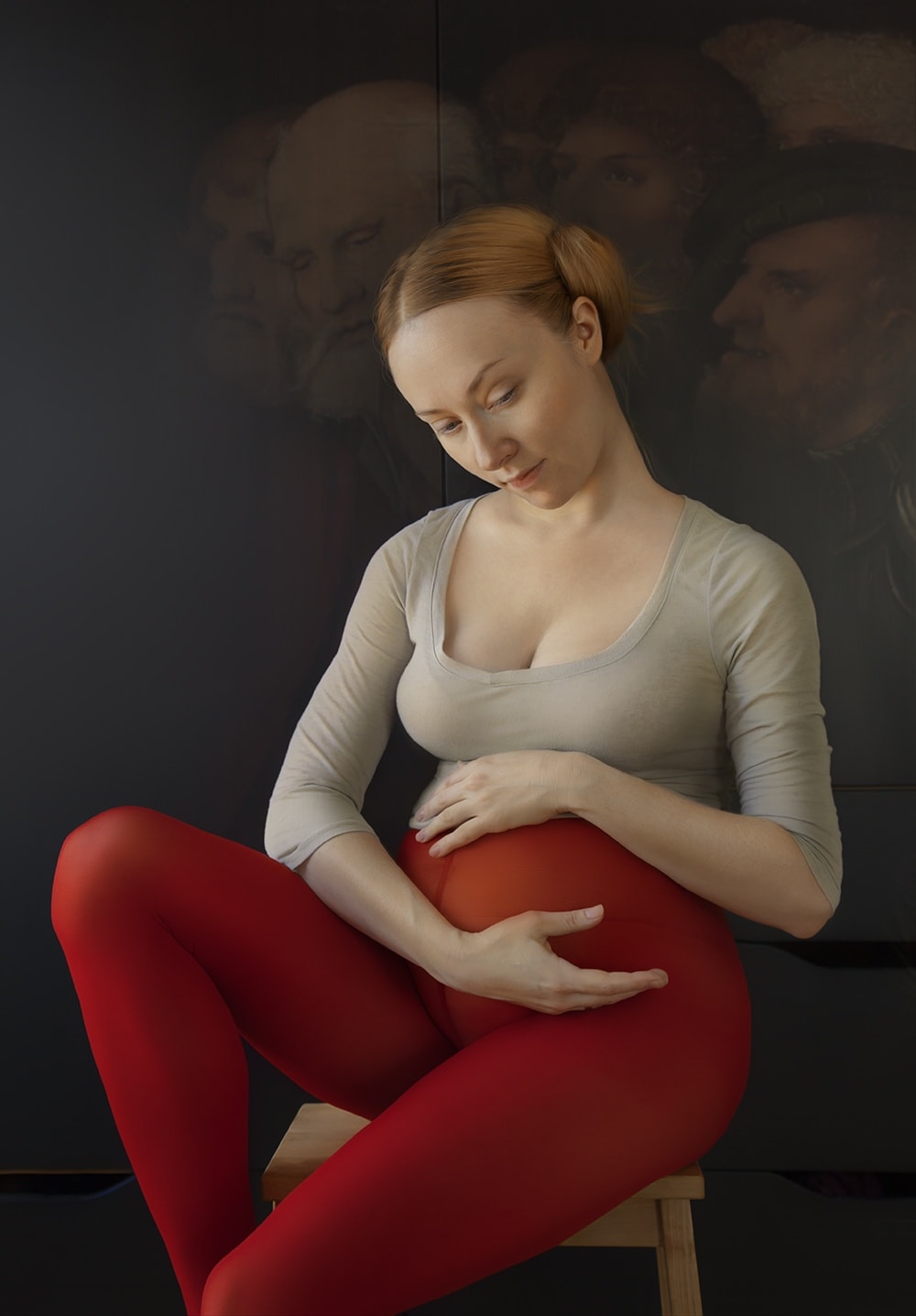
Katerina Belkina, The Sinner, 2014